
☎ +971 55 534 7199✉ contact@technohigh.com⌖ Office 101-631, Al Baraha, Dubai, UAE
Plaster Works in Dubai
Service

Plaster Works

Wall and ceiling plastering in Dubai: levelling, repairs and sharp corners to give paint or wallpaper a clean base.

OVERVIEW

What does this scope involve?

Plaster is the base layer that decides how flat and clean a wall or ceiling looks once painted. The work involves preparing the substrate, applying plaster in controlled thickness, levelling it against a straight edge, and forming sharp corners and clean edges. It is also used for patching after services are chased in or fittings are removed. Time to cure between coats and before painting is part of getting a lasting result.

Plaster is the base that decides how flat a wall looks once finished. The work covers new plastering, levelling, local repairs after services or fittings are removed, and corner and edge detailing ready for paint or wallpaper.
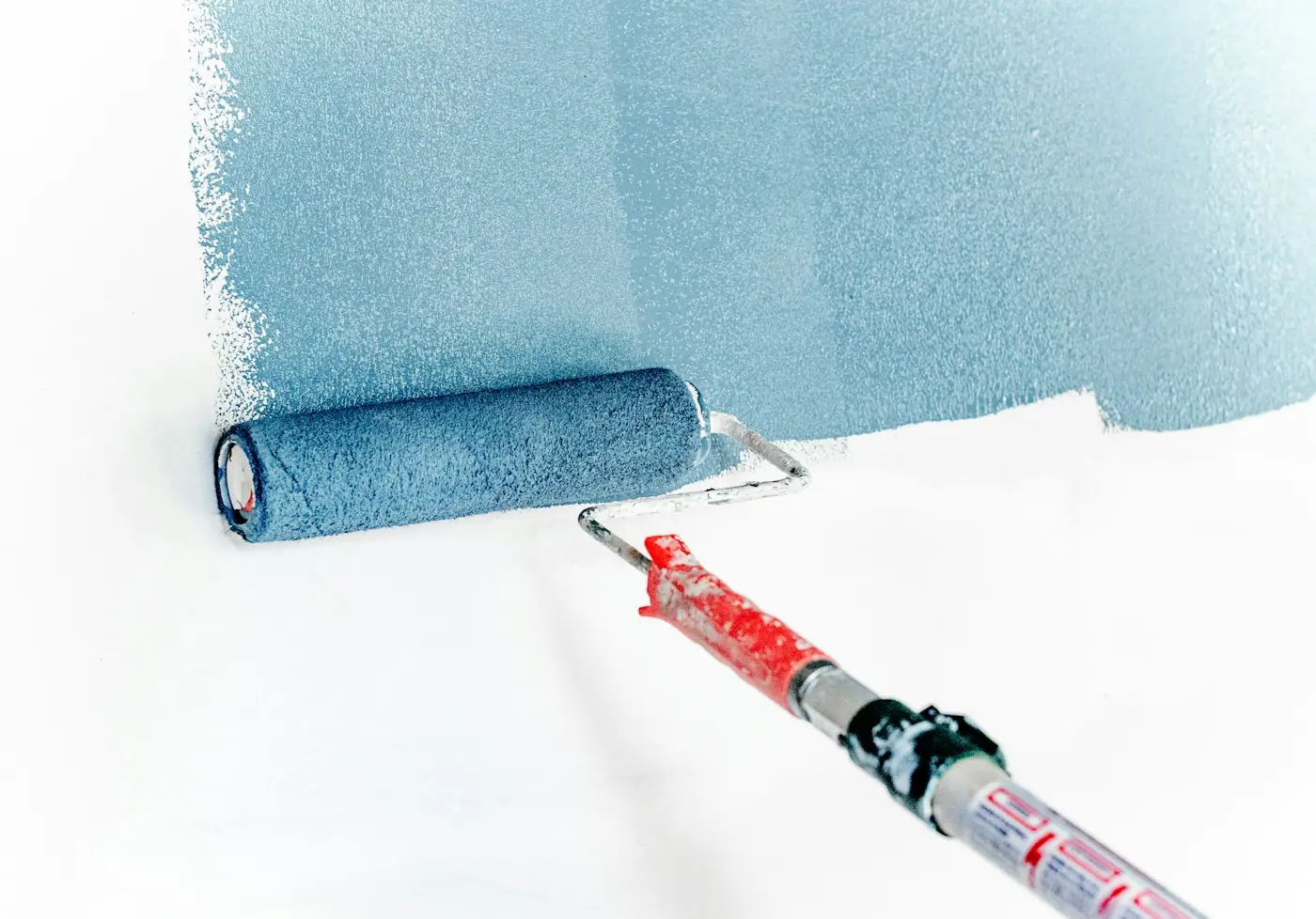
Work detail for Plaster Works
SCOPE OF WORK

Work covered by this service

These are the usual items in this activity. Your final scope is fixed at the site visit.

  • Wall and ceiling plaster works
  • Surface levelling
  • Local repairs and making-good
  • Preparation for paint or wallpaper
  • Corner and edge finishing
SCOPE FACTORS

What affects the scope

  • Substrate type, such as block, concrete or existing plaster
  • Level differences and total area to be corrected
  • New plastering or local repair and making-good
  • Corner beads, edge details and the finish needed for paint or wallpaper
  • Curing time allowed before the next finish
APPLICATIONS

Where this is used

Details vary with the site condition and the property type.

01New fit-out areas
02Renovation works
03Wall preparation
04Ceiling preparation
FROM REQUEST TO HANDOVER

How the work runs

These are the usual steps, adjusted to the site.

01Assess substrate
02Prepare area
03Apply & level
04Allow proper curing
05Inspect finish
Finishing quality in Plaster Works
FINISH & COORDINATION

Small details affect the finished result

Flatness, corner definition and a suitable finished surface are important where plaster will receive paint or other decorative materials.

COMMON QUESTIONS

Questions about Plaster Works

How long should plaster dry before painting?

Plaster needs time to cure and dry through its full thickness before it is painted, and the time depends on thickness, weather and ventilation. Painting too early can trap moisture and cause blistering or patchy colour. The plasterer or paint maker's guidance should be followed.

Why do cracks appear in new plaster?

Hairline cracks can come from plaster drying too fast, movement between different materials such as block and concrete, or thick layers applied in one go. Mesh over joints, controlled thickness and proper curing reduce cracking, though some fine cracks can still appear.

Can damaged plaster be repaired without redoing the whole wall?

Yes, localised damage can usually be cut back to sound plaster and patched. The patch must be keyed to the surrounding surface and levelled well, and a coat of primer helps it blend before painting. Damp-related damage needs the source of moisture fixed first.

What is the difference between plaster and skim coat?

Plaster is the thicker base layer that corrects levels on masonry. A skim coat is a very thin final layer applied over a sound surface to give a smooth finish for paint. Which is needed depends on how even the existing wall is.

Why does plaster need to be prepared before painting or wallpaper?

Dust, loose particles and uneven patches show through paint and stop wallpaper adhesive from bonding. The surface is sanded smooth, cleaned and sealed so the finish layer goes on evenly and sticks. Skipping this step is a common cause of poor finishes.

NEXT STEP

Need Plaster Works?

Send the location, photos and details through the request form or WhatsApp, and we will arrange a site visit and quote.

☎ Call◉ WhatsApp+ Quote